If you own a hospitality business in the Top End, you know the pain of opening your electricity bill. It’s often your second biggest cost after wages and stock.
But here is the reality: your refrigeration equipment is likely consuming 50% or more of that total bill.
In Darwin, we aren’t just battling the heat; we are battling the humidity. When your equipment fights against our tropical climate, your meter spins faster. The good news? You don’t always need a new fridge to fix it.
Here is why your costs are spiking and 3 simple ways to improve your commercial refrigeration energy efficiency today.
To understand why your bill is high, you have to understand how your fridge works. It doesn’t "make things cold"—it removes heat. It sucks the heat out of your milk and beer and dumps it outside the cabinet.
In cooler climates, this is easy. In Darwin, where the ambient air temperature is 32°C and the air is thick with moisture, your compressor has to work twice as hard to dump that heat.
If your system isn't running perfectly, that compressor never stops running. It runs 24 hours a day just to keep up. That is where your money is going.
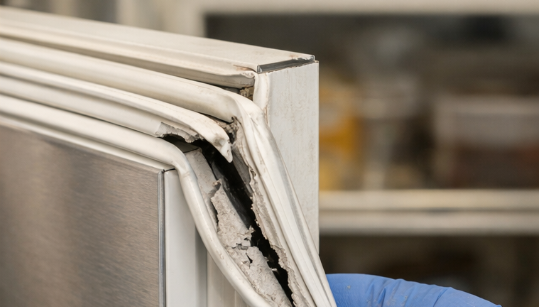
Your door seals (gaskets) are the only thing stopping our hot, wet air from entering your cold space. If a seal is split or hard, your fridge is leaking money.
How to check: Grab a dollar note (or a piece of paper). Close the fridge door on the note. Try to pull it out.
If there is resistance: Good. Your seal is tight.
If it slides out easily: Bad. You are losing cold air.
The Fix: Wipe your seals with warm soapy water weekly to keep them soft. If they are torn or brittle, replace them immediately. New cool room seals are much cheaper than a year of wasted electricity.
We see this in almost every kitchen during delivery times. A delivery arrives, and the staff prop the cool room door open with a crate for 10 or 15 minutes to load stock.
In Darwin’s humidity, this is disastrous.
The Issue: When you leave the door open, humidity rushes in. This moisture freezes onto the evaporator coils, turning into a block of ice.
The Result: The fridge thinks it’s hot, so the motor runs harder, but the ice blocks the airflow, so it can’t cool down. It’s a death spiral for your energy bill.
The Fix: Install PVC strip curtains if you need frequent access, and train staff to never prop the door.
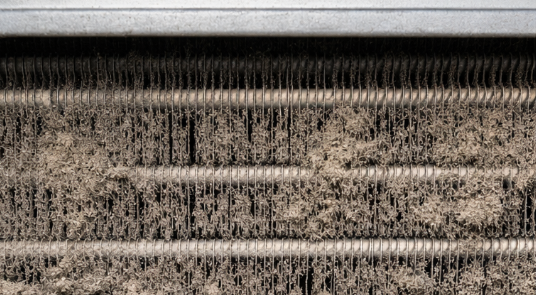
Every commercial fridge has a condenser—it usually looks like a car radiator. Its job is to release the heat.
In a commercial kitchen, flour, grease, and dust get sucked into these coils. When the coil gets coated in dust, it acts like a winter blanket. The fridge can’t release the heat, so the compressor runs hotter and longer to compensate.
The Fix: Once a month, locate your condenser coils. If they look fuzzy or grey, gently brush the dust off with a soft brush or a vacuum. Note: Be careful not to bend the metal fins.
If you have cleaned the coils, checked the seals, and stopped propping the door, but the motor is still running non-stop, you may have a gas leak or a failing component.
At Fridgie Didge, we specialise in commercial refrigeration energy efficiency. We can perform a maintenance audit to fine-tune your pressure controls and ensure your system isn’t working harder than it needs to.
Don’t let the Dry Season profits melt away in electricity bills.